Cannabis Vaporizers in Germany: Market, Margins, and the Reality for Wholesalers
# Cannabis Vaporizers in Germany: Market, Margins, and the Reality for Wholesalers
Germany is by far the largest vaporizer market in Europe. Grand View Research estimates the market volume for 2024 at 420 million US dollars, with a forecast of 967 million by 2030. That represents an annual growth rate of 14.9 percent. Anyone entering this segment as a wholesaler now is not benefiting from a vague forecast but from real order numbers that are already driving growth. The driving force behind this is the explosive growth of the medical cannabis market.
The medical market in Germany reached nearly one billion dollars in 2025, specifically 997 million, representing an increase of 155 percent compared to the previous year. Even more impressive is the development of prescription numbers: in March 2024, there were only a fraction of the prescriptions issued today — an increase of over 3,300 percent. Patients who used to roll their own joints are now buying vaporizers. Not necessarily because they voluntarily want to switch, but because their treating physician requires it or at least strongly recommends it. The medical prescription has de facto become the strongest driver of the entire vaporizer market.
Market by the Numbers
Looking at the global market, vaporizer revenue in 2025 was $6.83 billion. Germany's share is estimated differently depending on the source. Grand View Research assumes 7.2 percent, while Fortune Business Insights estimates the German share at 11 percent. This range primarily shows one thing: the market is not measured consistently, and each methodology produces slightly different results. However, there is no doubt that Germany holds the undisputed top position in Europe.
A particularly insightful metric is the split between portable and stationary devices. Devices for on the go account for 71 percent of total revenue, while desktop devices for home use make up the remaining 29 percent. The reason is obvious: medical patients are not at home all day. They need devices that fit in a jacket pocket, that they can use on the go or at work, that are discreet and straightforward to operate. A Volcano Medic on the living room table may be suitable for evening consumption, but it doesn't solve the problem of the patient who is out and about during the day and still needs their medication.
Device Classes Overview
The vaporizer market can be broadly divided into three device classes, each posing completely different requirements for the wholesaler.
The first category is pen vaporizers: simple, affordable devices that typically have a wholesale price under 30 euros. These devices sell quickly, require little consultation, and are ideal for a fast entry. However, cheap models have an above-average return rate. So the rule of thumb is: those who buy too cheap save on the purchase price but end up paying with returns, complaints, and dissatisfied customers.
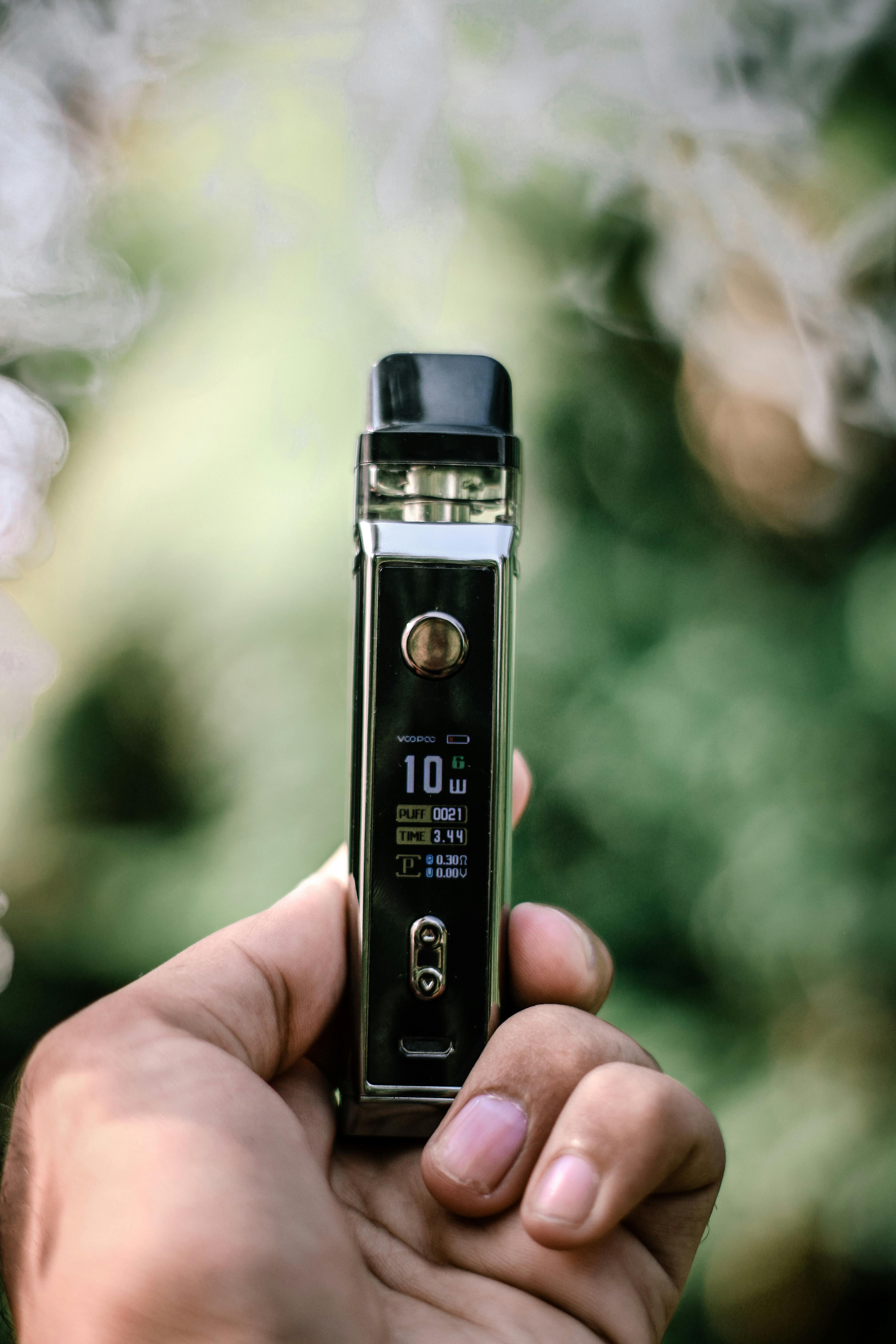
The second and by far most important category is portable herb vaporizers. This is the real core business. Well-known manufacturers like Storz & Bickel from Germany, DynaVap from the USA, PAX, and DaVinci cover a price range between 60 and 400 euros retail price. A wholesaler who doesn't carry anything in this category is giving up 71 percent of the total market volume. This is no longer a niche, but the center of the business.
The third category includes desktop devices, i.e., stationary vaporizers like the Volcano Medic from Storz & Bickel or the Extreme Q from Arizer. These devices cost around 500 euros in retail and are sold less frequently, but the margin per device is significantly higher. They are particularly relevant for pharmacies and medical practices that want to equip their patients with durable medical equipment. A once-purchased Volcano remains in use for years, and customer loyalty is correspondingly high.
Who Earns What in the Vaporizer Market?
Market leadership clearly belongs to Storz & Bickel from Tuttlingen in Baden-Württemberg. The company holds 18 percent of the global market share. The two flagship models, Mighty and Volcano, are medically certified and considered the gold standard in the industry. Canopy Growth, the Canadian parent company of Storz & Bickel, reported segment revenue of $22 million for the fourth quarter of 2024, representing growth of 43 percent, with a gross margin of 41 percent. These figures come from a published quarterly report, not a forecast — they show the actual business.
In second place is Topgreen Technology with 14 percent market share. The company produces in Asia for OEM customers, meaning many vaporizers sold under European or American brands actually come from the same production. For wholesalers, this means two things: on one hand, there are no-name portables from Chinese production with a purchase price of 15 to 25 euros that sell for around 45 euros over the counter. The margin here is about 55 percent, but the absolute profit per device is only about 25 euros. On the other hand, there are certified brand devices like the Mighty Medic, with a purchase price of around 180 euros and a selling price of around 280 euros. The percentage margin is lower at 36 percent, but the absolute profit per device is an impressive 100 euros.
Finding the right mix of both worlds is the art of the successful wholesaler. Budget devices ensure fast shelf turnover and bring customers into the shop. Branded certified devices provide the real contribution margin and secure pharmacies as loyal business partners.
The Medical Driver
Since the CanG came into effect in April 2024, possession of cannabis in Germany is legal, but commercial sale for recreational purposes is not. This means: there is no legal B2C market for recreational vaporizers comparable to that in North America or Uruguay. The entire legal market is driven by the medical sector — and it is growing so fast that the absence of a recreational market hardly matters.
The numbers are impressive. In 2025, Germany imported over 200 tons of medical cannabis, more than any other European country. The average price fell from 8.33 euros per gram to 5.23 euros per gram. At the same time, 35 teleclinics in Germany prescribed cannabis, placing the country second worldwide behind Australia. The typical scenario looks like this: a patient in Saxony visits a Berlin teleclinic, gets their prescription issued, and has it filled at a local pharmacy. In between lies a vaporizer purchase, because most pharmacies do not carry vaporizers in their standard stock. So the patient has to arrange that themselves — and usually ends up at a specialty store or specialized online shop.
Cannabis Social Clubs are another often overlooked driver. Although they are not allowed to sell cannabis, they distribute it to their members. A club with 500 members needs not only weed but also grinders, storage containers, and especially vaporizers, because many members do not want to consume their home grow with makeshift kitchen utensils. Multiply this demand by the clubs emerging nationwide, and you get a stable and growing demand that is independent of political developments regarding the recreational market.
What Wholesalers Should Do Now
The strategic fields of action for wholesalers can be clearly identified. The product line should consist of three tiers a
ivory.green Team
Marktanalysen & Branchennews für Cannabis-Accessoires-Großhändler.